



The Hidden Risks of Seed Oils: Why Switching to Tallow Could Be Better

Read this blog to learn more about the hidden risks of seed oils. In recent years, we’ve seen more people waking up to the truth about what’s really in their food, and one of the biggest revelations has been the dangers of seed and vegetable oils. For decades, these oils were marketed as “heart-healthy” alternatives to butter or animal fats. But behind the clever marketing lies a darker story: seed oils are one of the most inflammatory and health-damaging ingredients in the modern diet.
If you’re serious about improving your health, reducing inflammation, and supporting your body at a cellular level, switching from seed oils to natural tallow could be one of the most powerful changes you make.
What Are Seed Oils?
Seed oils, sometimes called “vegetable oils”, include oils such as:
Canola (rapeseed) oil
Sunflower oil
Soybean oil
Corn oil
Grapeseed oil
Cottonseed oil
These oils don’t come from vegetables at all, they’re extracted from seeds using high heat, industrial solvents, and chemical processing. The result is a highly refined product that’s far removed from anything you’d find in nature.
The Problem with Seed Oils
1. They’re High in Omega-6 Fatty Acids
Our bodies need both omega-3 and omega-6 fatty acids but in balance. The traditional human diet had a roughly 1:1 ratio, while the modern diet (thanks to seed oils) now has a ratio as high as 20:1 in favour of omega-6s.
This imbalance drives chronic inflammation, the root cause of many health issues, including heart disease, diabetes, arthritis, and even depression.
2. They’re Chemically Extracted and Oxidised
Seed oils are made through industrial processes that involve:
High-heat extraction
Chemical solvents like hexane
Deodorisation to remove unpleasant smells
These steps cause the delicate fats to oxidise meaning they go rancid before they even reach your plate. When consumed, oxidised fats create free radicals, which damage your cells and DNA, accelerate ageing, and weaken your immune system.
3. They’re Linked to Metabolic Disorders
Studies increasingly show that diets high in polyunsaturated seed oils contribute to insulin resistance, obesity, and fatty liver disease. The irony is that the same oils promoted to “protect your heart” are now known to increase cardiovascular risk through inflammation and oxidative stress.
Why Tallow Is a Healthier Choice
Tallow, rendered animal fat, is one of the most natural and stable cooking fats known to humans. For thousands of years, traditional cultures thrived on animal fats before industrial seed oils ever existed.
Here’s why tallow is making a comeback among health-conscious people, chefs, and skincare lovers alike.
1. It’s Rich in Stable, Heat-Resistant Fats
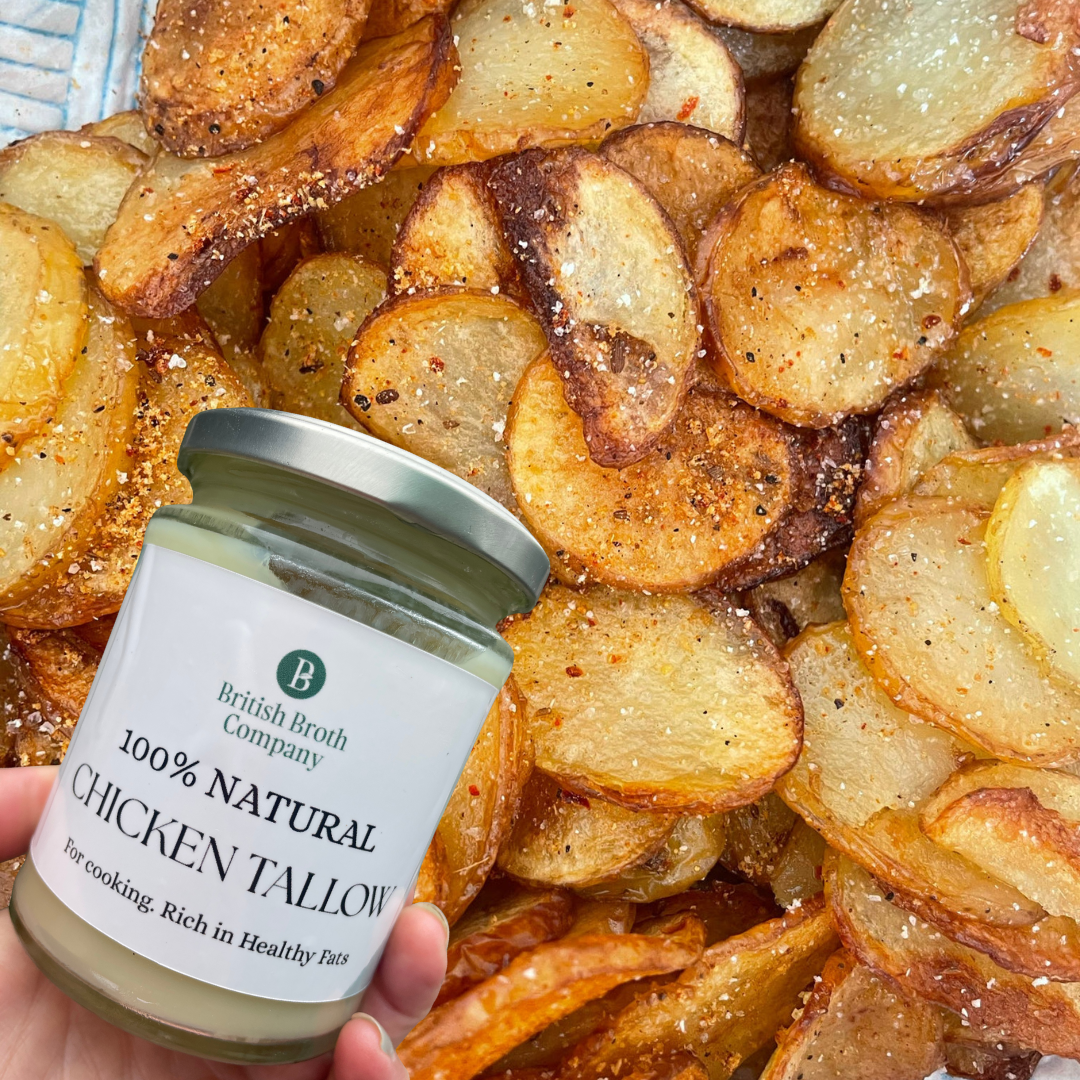
Tallow is primarily made up of saturated and monounsaturated fats, which are far more stable at high temperatures. That means you can fry, roast, and sauté without worrying about harmful oxidation or trans fats forming.
In contrast, seed oils break down easily when heated, producing toxic compounds like aldehydes, which are linked to cancer and neurodegenerative diseases.
2. It Supports Hormone and Cell Health
Your body’s cells and hormones are built using fat. Consuming healthy animal fats like tallow provides the building blocks your body needs for:
Hormone balance
Brain health
Strong immune function
Healthy skin
Tallow naturally contains fat-soluble vitamins A, D, E, and K, all essential for wellbeing — especially for those following low-carb or carnivore-style diets.
3. It’s Anti-Inflammatory and Nourishing
While seed oils promote inflammation, tallow does the opposite. Its fatty acid profile is anti-inflammatory, supporting gut health and stable energy levels. Many people notice reduced joint pain, better digestion, and clearer skin when they cut out seed oils and switch to animal fats.
The Forgotten Wisdom of Traditional Fats
Before the rise of industrialisation, every household cooked with butter, lard, and tallow. These were prized fats, used for everything from cooking to skincare. Seed oils didn’t enter the human diet until the early 20th century, and since then, rates of chronic illness have soared.
We’ve been told for decades to fear saturated fat, yet the science now shows that natural animal fats are not the enemy. In fact, it’s the ultra-processed seed oils, introduced only a century ago, that correlate with the explosion of metabolic disease.
Why Switching to Tallow Is Easier Than You Think
If you’re ready to make the switch, start small:
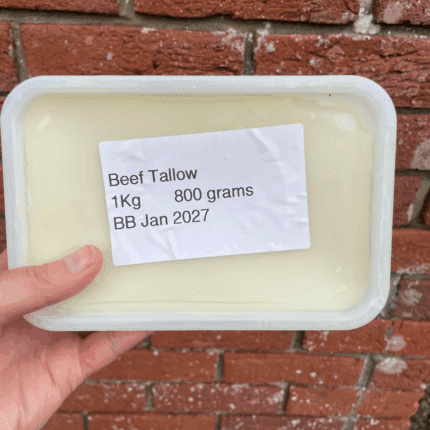
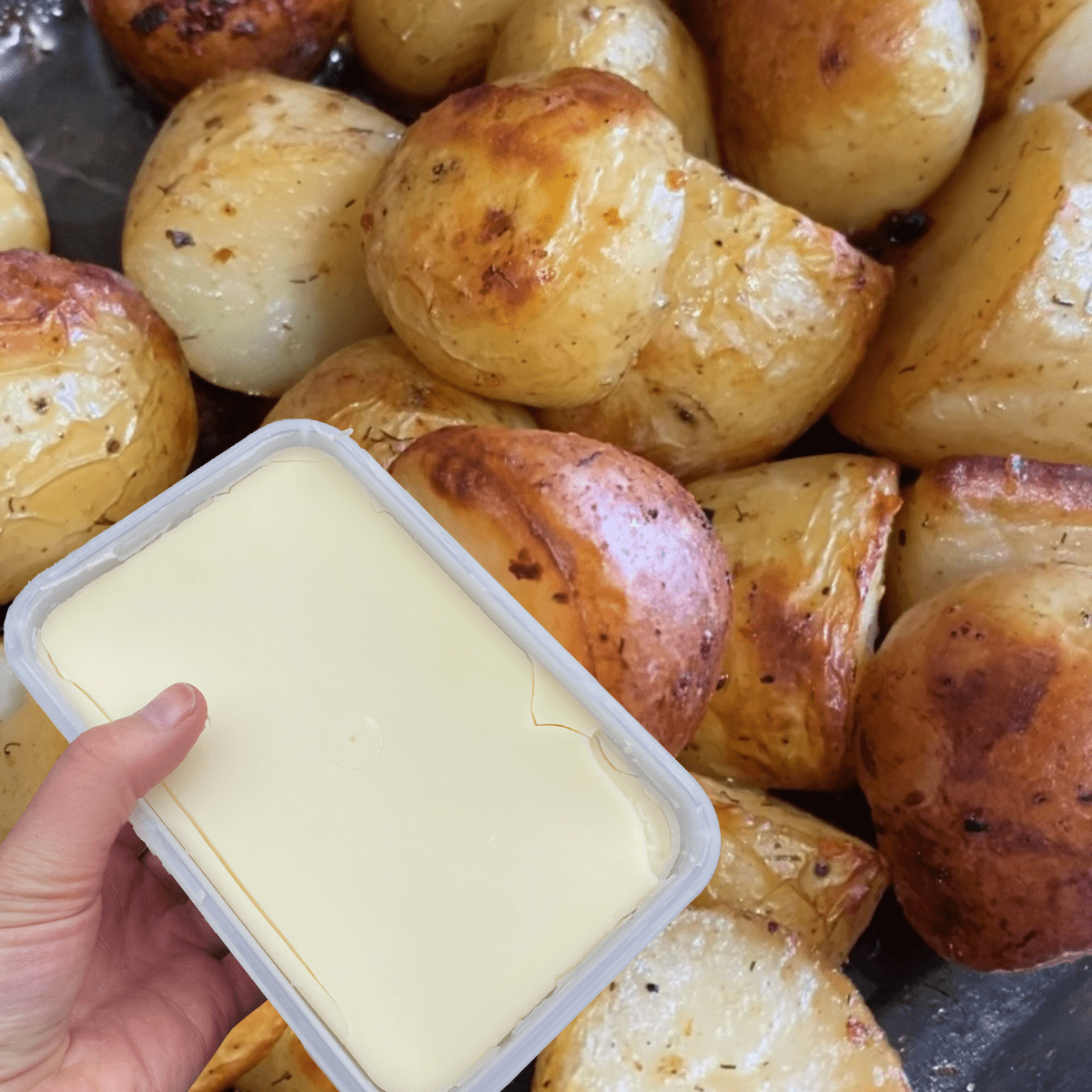
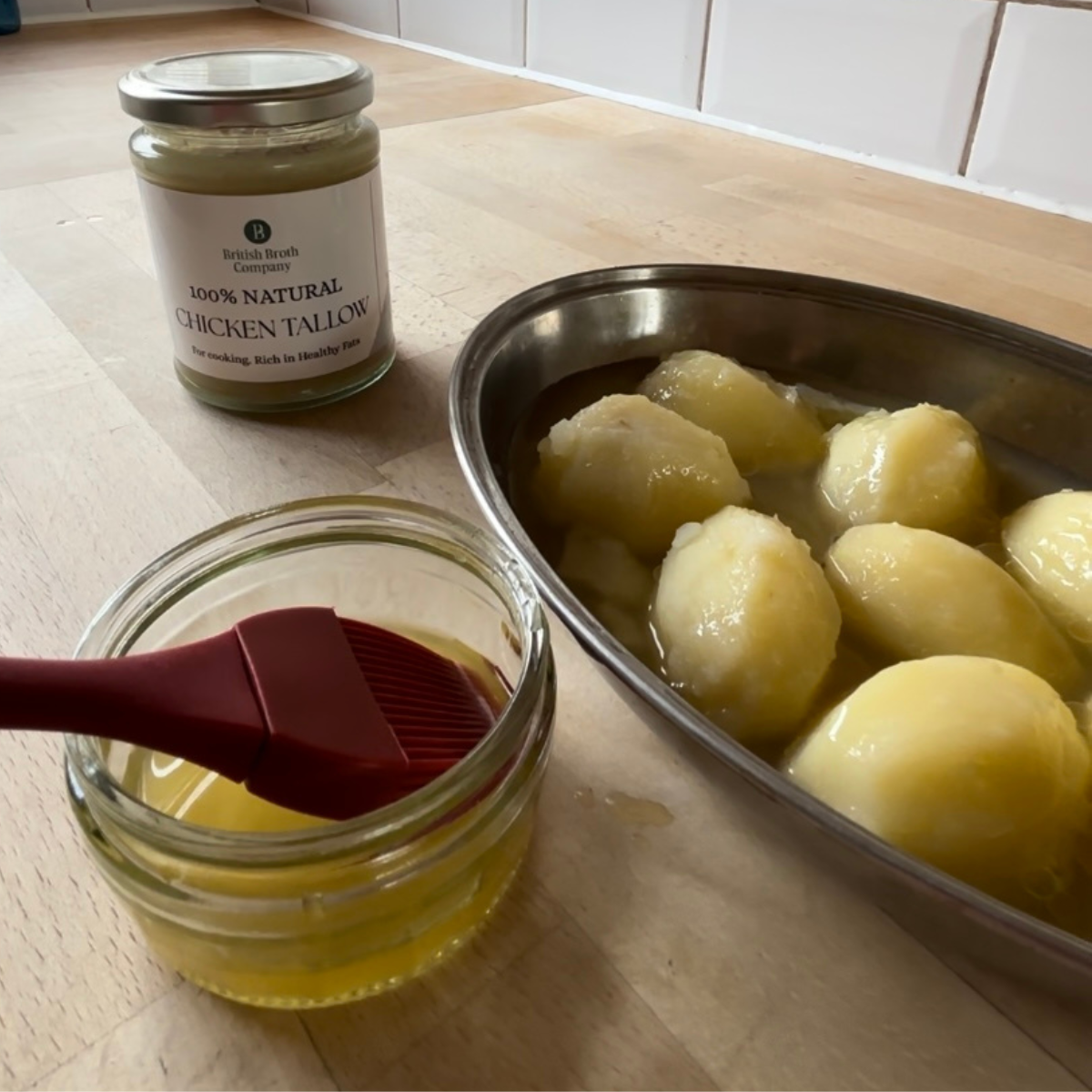
Use beef tallow instead of vegetable oil for roasting or frying
Replace sunflower oil with tallow cooking fat in your skillet
Try tallow-based skincare instead of seed oil-based moisturisers — your skin will thank you
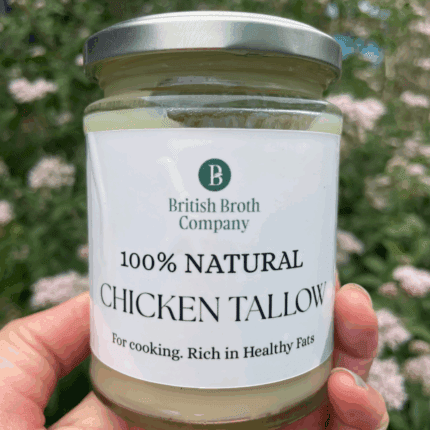
At British Broth Company, we’re passionate about bringing back traditional, wholesome fats that nourish your body the way nature intended. Our tallow cooking oils and skincare products are made from 100% natural ingredients, free from seed oils, artificial fragrances, or chemicals.
They’re good for you, inside and out.
The Bottom Line
Seed and vegetable oils have no place in a truly healthy diet. Their unstable, inflammatory nature is at the heart of many modern health problems. In contrast, tallow is a time-tested, nutrient-rich fat that supports your metabolism, hormones, and overall vitality.
It’s not just a switch in oils, it’s a return to wisdom, to real food, and to the nourishment your body was designed for.
Ready to make the change?
Explore our range of tallow cooking oils and balms and discover how natural animal fats can transform your health, one spoonful (or skincare scoop) at a time.